

What Is Burnout and How Can You Prevent It?
Burnout is more than just feeling tired—it’s a state of emotional, mental, and physical exhaustion caused by prolonged stress. Dr. Tony Masri, MD, and Dr. Britney Blair at Helyx Health explain that it often stems from high-pressure environments, lack of support, and an imbalance between effort and reward. Building resilience and fostering a healthier work-life dynamic are key to long-term prevention. Contact us today for more information or schedule an appointment online. We serve patients across the state of California including locations in Palo Alto, Beverly Hills, and San Francisco, CA.
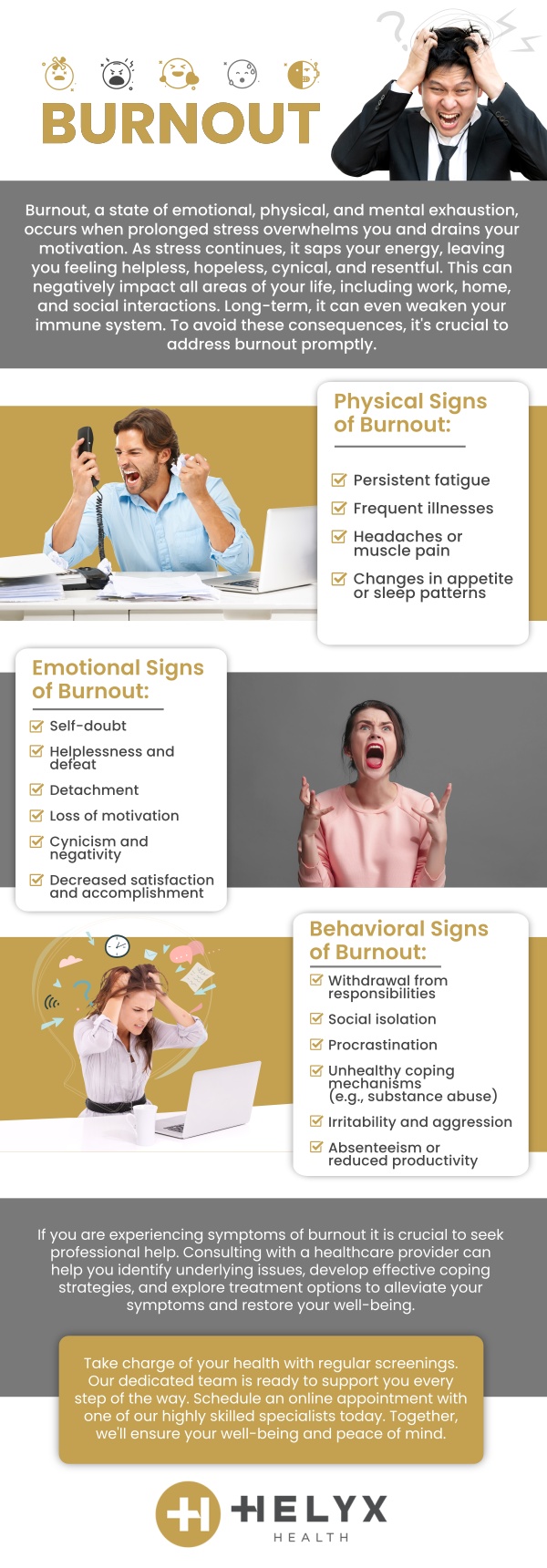
Table of Contents:
How can you differentiate between normal stress and burnout?
How can you manage workload and stress to prevent burnout?
How can improving work-life balance help in preventing burnout?
What role does mental health play in preventing burnout?
How Can Dr. Tony Masri and Dr. Britney Blair at Helyx Health Help You Prevent Burnout?
At Helyx Health, we know that life’s demands can take a toll on both your body and mind. Many of our patients ask how to tell the difference between everyday stress and something more serious, like burnout. Knowing the difference is essential for protecting your long-term health and well-being.
Normal Stress:
Stress is a natural reaction to short-term challenges—such as meeting a work deadline, caring for a loved one, or adapting to a temporary change. You might feel anxious, tired, or irritable, but these feelings usually improve once the situation resolves or you’ve had a chance to rest. With normal stress, your motivation and mood typically bounce back, and your daily functioning returns to normal.
Burnout:
Burnout is a more serious condition resulting from prolonged, unrelenting stress—often related to work, caregiving, or ongoing life pressures. Unlike normal stress, burnout doesn’t get better with a weekend off or a brief vacation. It leads to persistent exhaustion, emotional detachment, and a sense of hopelessness or cynicism. You may notice a drop in your performance, enthusiasm, or even physical symptoms like headaches, sleep problems, or frequent illness.
If your stress feels overwhelming, unmanageable, or is affecting your health, relationships, or work, it’s time to seek support. At Helyx Health, our caring team can help you identify whether you’re experiencing normal stress or signs of burnout. We offer comprehensive evaluations and personalized solutions, including counseling, medical support, and lifestyle recommendations.
At Helyx Health, we understand that managing workload and stress is especially crucial for medical professionals and healthcare staff who are dedicated to delivering compassionate, high-quality care. The demands of our field can be intense, but by adopting effective strategies, we can safeguard our own well-being and maintain the highest standards for our patients.
In a busy clinical environment, it’s essential to prioritize tasks according to urgency and importance. Organizing your day—whether it’s patient consultations, follow-up calls, or administrative work—can help you focus on what truly matters, reducing feelings of overwhelm and ensuring patient care remains at the forefront.
Breaking down large projects, such as updating patient records or implementing new care protocols, into manageable steps can help maintain productivity without leading to exhaustion. Remember to schedule short breaks between appointments or meetings. These pauses can enhance focus and prevent fatigue during long shifts.
Healthcare professionals are often driven to help as much as possible, but it’s important to recognize your own limits. At Helyx Health, we encourage you to be mindful of your workload and communicate openly with supervisors if you are feeling overextended. Saying no to additional responsibilities when necessary is not only acceptable—it’s essential for sustained, quality care.
Strong support networks are vital in healthcare settings. Regularly connecting with colleagues to discuss challenges or share experiences can provide emotional relief and practical insights. Teamwork and open communication are part of our culture—don’t hesitate to reach out for support or suggest improvements that could benefit the whole team.
By adopting these strategies, the Helyx Health team can continue to provide exceptional care while also protecting our own health and resilience. Let’s work together to create a supportive, balanced, and thriving workplace.
At Helyx Health, we recognize that improving work-life balance is a crucial strategy in preventing burnout—for both our team and our patients. Burnout is a state characterized by emotional exhaustion, reduced performance, and feelings of cynicism related to work or daily responsibilities. By maintaining a healthy balance between professional duties and personal life, our providers, staff, and the individuals we serve can create essential opportunities for rest, relaxation, and meaningful activities outside of the clinic.
For our team, embracing work-life balance means encouraging regular breaks, supporting flexible scheduling when possible, and fostering a positive workplace culture. This approach enables our clinicians and staff to recharge, ultimately benefiting patient care through improved focus, empathy, and satisfaction.
For our patients, we emphasize the importance of setting healthy boundaries, prioritizing self-care, and engaging in activities that promote joy and fulfillment. A well-balanced lifestyle supports better sleep, encourages physical activity, and strengthens social connections—all of which are key to overall wellness and resilience against burnout. Whether it’s taking up a new hobby, spending quality time with loved ones, or practicing mindfulness, these habits can help restore energy and improve mood.
At Helyx Health, we also help patients recognize early signs of stress and burnout, and guide them on proactive steps they can take, such as seeking support or adjusting daily routines. By integrating these practices into daily life, individuals can enhance creativity, problem-solving abilities, and satisfaction both at work and at home.
At Helyx Health, we recognize that mental health is a cornerstone of overall wellness—and a vital factor in preventing burnout among our patients and team members. Our approach to healthcare emphasizes the integration of mental and physical well-being, understanding that when individuals maintain good mental health, they are better equipped to manage stress, regulate emotions, and set healthy boundaries both at work and at home.
Within the Helyx Health community, we encourage proactive mental health practices. This includes regular self-care, mindfulness, and fostering a healthy work-life balance. By promoting these habits, we help patients and staff become more attuned to early signs of burnout, such as emotional exhaustion and decreased sense of accomplishment. Early recognition of these symptoms is crucial, as it allows for timely interventions that can prevent escalation.
At Helyx Health, we also provide access to counseling, wellness resources, and support networks. We encourage everyone—patients and staff alike—to reach out for help when needed, knowing that seeking support is a sign of strength, not weakness. This proactive, supportive environment fosters resilience and empowers individuals to recover from setbacks more quickly and adapt to challenges without becoming overwhelmed.
By prioritizing mental health as part of our holistic care philosophy, Helyx Health helps lay the foundation for strong coping strategies, resilience, and long-term well-being. Together, we strive to prevent burnout and support the overall health of our community.
Burnout can leave you feeling chronically exhausted, emotionally detached, and completely overwhelmed by daily life. At Helyx Health, Dr. Tony Masri, MD, and Dr. Britney Blair and their expert team specialize in helping patients across California overcome severe stress and prevent burnout. Through highly personalized treatment plans that may include psychotherapy, cognitive behavioral therapy (CBT), and medication management, they address the root causes of your emotional exhaustion. Whether you visit their welcoming clinics or utilize their convenient telehealth services, Helyx Health equips you with the resilience and coping tools needed to reclaim your energy and thrive. Contact us today for more information or schedule an appointment online. We serve patients across the state of California including locations in Palo Alto, Beverly Hills, and San Francisco, CA. We serve patients across the state of California including locations in San Francisco CA, Beverly Hills CA, Palo Alto CA, Menlo Park CA, Stanford CA, Santa Ana CA, Tustin CA, Oakland CA, Emeryville CA, and surrounding areas.
Check Out Our 5 Star Reviews


Additional Services You May Need

Additional Services You May Need
▸ Psychiatry
▸ Stress
▸ Depression
▸ Sleep
▸ Psychotherapy
▸ ADHD
▸ Burnout
▸ Cognitive Behavioral Therapy
▸ Couples Therapy
▸ Circadian Rhythm
▸ Insomnia
▸ Medication Management
▸ Mood Conditions
▸ Narcolepsy
▸ Parasomnia
▸ Relationship Counseling
▸ Sex Therapy
▸ Sleep Study
▸ Trauma
▸ Anxiety
▸ Family Counseling
▸ Telehealth
▸ Eating Disorders
▸ Neuropsychological Evaluations
▸ Autism Spectrum Condition
▸ Attention Treatment
▸ Psychological Evaluation
▸ Brain fog
▸ EMDR
▸ Intrusive Thoughts


 Send Text
 How May I Help You?