

What Makes Depression Treatment in Palo Alto CA Effective for Lasting Relief?
Depression treatment is highly effective for lasting relief due to its personalized approach and evidence-based therapies. Dr. Denise Stilwell and our team combine professional care with the latest treatments tailored to your unique needs. By focusing on both the mind and body, we help you manage depression, regain stability, and improve your quality of life, ensuring sustainable healing. For more information, contact us or request an appointment online. We are conveniently located at 518 Hamilton Avenue, Palo Alto, California 94301.
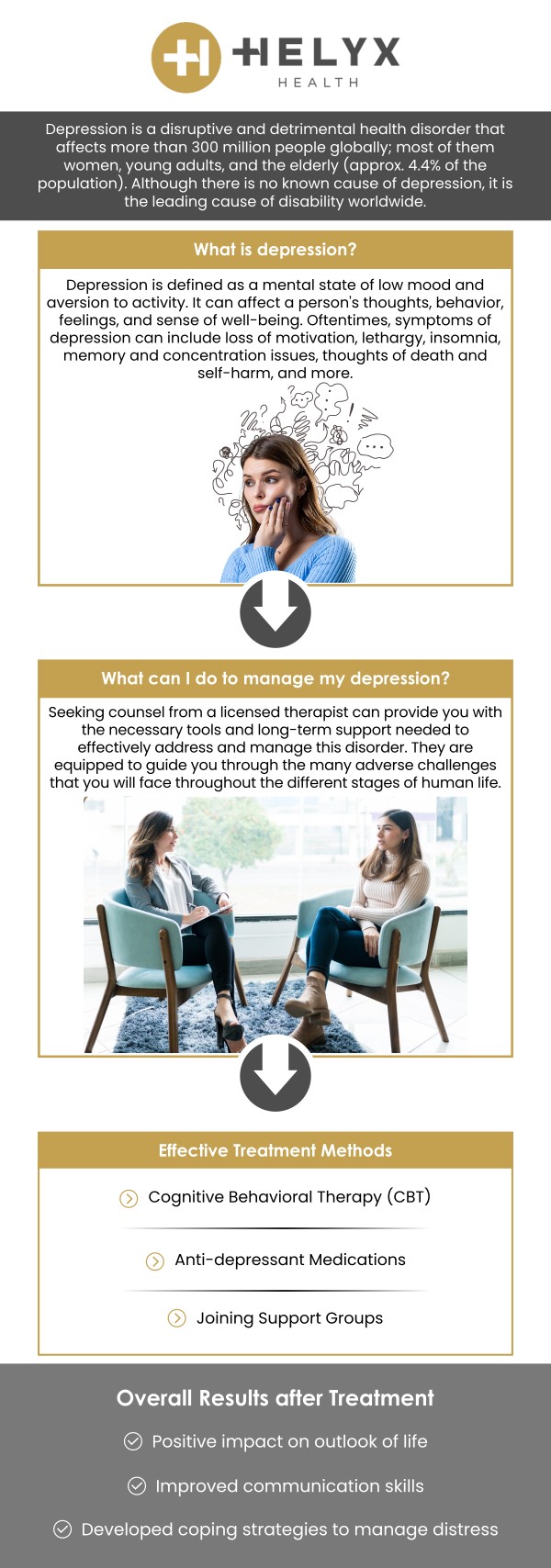
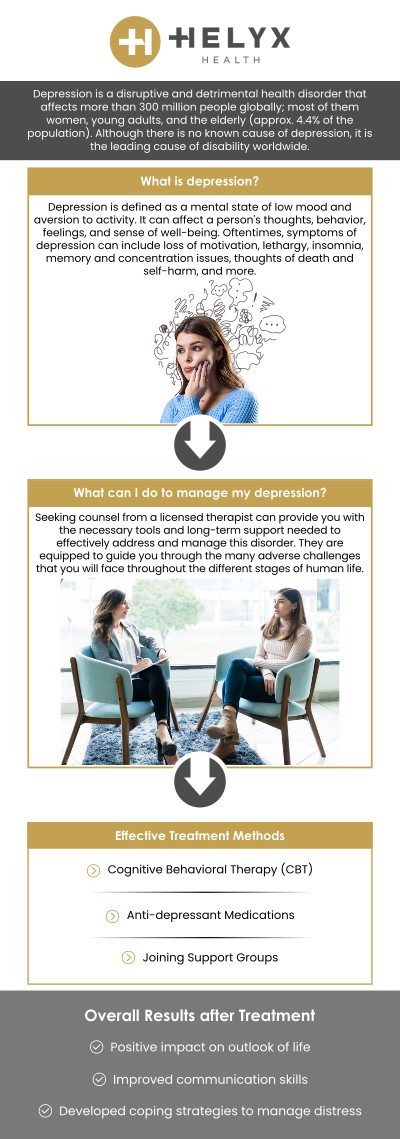
Table of Contents:
Can childhood trauma contribute to adult depression?
What are the risks of untreated depression?
Can depression be hereditary, and what are the genetic factors involved?
How does sleep affect depression, and can improving sleep help alleviate symptoms?
Why Dr. Denise Stilwell’s Depression Care in Palo Alto Delivers Lasting Relief
At Helyx Health, our team recognizes that childhood trauma can significantly impact mental health well into adulthood. Experiences such as physical, emotional, or sexual abuse, neglect, or the loss of a caregiver during critical developmental years can shape how a child’s brain and stress response systems develop. These early adversities often lead to long-lasting changes in how individuals manage stress, regulate emotions, and build relationships.
Research consistently shows a strong association between childhood trauma and an increased risk of depression later in life. Adults who experienced trauma as children may struggle with low self-esteem, negative self-beliefs, and difficulty trusting others—challenges that can persist and make it harder to cope with everyday stressors, increasing vulnerability to depressive episodes.
Childhood trauma can also alter the body’s physiological response to stress, making adults more sensitive to stress and more susceptible to mental health concerns such as depression. In some cases, individuals may turn to unhealthy coping mechanisms, like substance use, which can further contribute to the cycle of depression.
We believe in a comprehensive, trauma-informed approach to care. Our providers understand the lasting effects that early adverse experiences can have, and we are committed to creating a safe, supportive environment for healing.
It’s important to remember that not everyone who experiences childhood trauma will develop depression, and protective factors such as supportive relationships and timely interventions can make a significant difference. If you or a loved one are struggling with symptoms of depression or the effects of past trauma, Helyx Health is here to help.
When depression goes unaddressed, symptoms such as persistent sadness, hopelessness, and lack of motivation may intensify over time. This can make it increasingly difficult to perform daily activities, maintain relationships, or succeed at work or school. You may notice that it’s harder to concentrate, remember things, or make decisions, making even routine tasks seem overwhelming.
Untreated depression can also increase the risk of developing other mental health concerns, such as anxiety or substance use disorders. Some people turn to alcohol or drugs to cope, which can create additional health challenges. Social withdrawal and isolation often worsen depression, making recovery even more difficult.
Physical health is closely linked with mental health. Research shows that depression is associated with chronic conditions like heart disease, diabetes, and a weakened immune system. People often experience changes in appetite and sleep patterns, leading to weight fluctuations, fatigue, and a general decline in physical well-being. Additionally, untreated depression can make it harder to manage existing health issues, as you may lose the motivation to follow treatment plans or attend appointments.
Perhaps most concerning, untreated depression increases the risk of self-harm or suicide. Persistent feelings of worthlessness and despair can lead individuals to believe that life is not worth living, which is why early intervention and treatment are so important.
Research shows that depression can run in families—individuals with a close relative, such as a parent or sibling, who has experienced depression are at an increased risk themselves. This hereditary component is linked to the way our genes and environment interact.
While there is no single “depression gene,” multiple genes working together can influence a person’s vulnerability to depression. Many of these genes are related to the regulation of neurotransmitters in the brain. Differences in these genes may affect how these chemicals function and, in turn, impact your risk of developing depression.
Studies of families and twins suggest that genetics may account for about 40 to 50 percent of the risk for major depressive disorder, while the remainder is shaped by life events, stress, trauma, and other non-genetic factors. It’s important to understand that having a family history of depression doesn’t mean you will definitely experience it, but it does mean your risk is higher.
Understanding your family history and genetic background is a crucial step toward prevention, early detection, and personalized care. If you’re concerned about depression—whether it’s due to your own symptoms or a family history—we encourage you to speak with our compassionate healthcare professionals. We can help you assess your risk factors and discuss proactive steps, from lifestyle changes to evidence-based treatments, tailored to your unique needs.
The powerful connection between sleep and depression—and how these two aspects of health can profoundly influence one another. Many of our patients come to us struggling with poor sleep, whether it’s difficulty falling asleep, waking up frequently during the night, or rising too early.
When restorative sleep is lacking, the delicate balance of brain chemicals and stress hormones can be disrupted, making it harder to regulate mood and manage daily stressors. This can intensify feelings commonly associated with depression, such as sadness, irritability, and hopelessness.
We offer evidence-based therapies that address both sleep and mood, including cognitive behavioral therapy for insomnia (CBT-I), guidance on establishing healthy sleep routines, and support for lifestyle changes that promote restorative rest. Research indicates that improving sleep quality can significantly reduce depressive symptoms and enhance emotional resilience.
Our personalized treatment plans often include a thorough assessment of both sleep and mental health. For many individuals, addressing sleep issues becomes a pivotal component of a comprehensive strategy for managing depression—and in some cases, improvements in sleep precede and predict improvements in mood.
If you’re experiencing persistent challenges with sleep or depression, our team is here to help you find the best path forward. Focusing on sleep health is a valuable step not only in treating depression but also in preventing its recurrence.
At Helyx Health, Dr. Denise Stilwell brings a compassionate, evidence‑based approach to depression treatment that prioritizes lasting emotional wellbeing. With years of clinical experience, Dr. Stilwell partners with each patient to understand their unique symptoms and life context, blending cognitive‑behavioral techniques with personalized psychotherapy strategies. Her focus on building resilience, addressing underlying thought patterns, and fostering emotional insight helps individuals move beyond short‑term relief toward sustainable improvements in mood, motivation, and daily functioning. By tailoring care to each person’s goals, she supports meaningful, long‑term recovery.
Visit Helyx Health to explore your options and create a care plan tailored to your unique needs. For more information, contact us or request an appointment online. We are conveniently located at 518 Hamilton Avenue, Palo Alto, California 94301. We serve patients from Palo Alto CA, Menlo Park CA, Stanford CA, Mountain View CA, Los Altos CA, and surrounding areas.
Check Out Our 5 Star Reviews


Additional Services You May Need

Additional Services You May Need
▸ Psychiatry
▸ Stress
▸ Depression
▸ Sleep
▸ Psychotherapy
▸ ADHD
▸ Burnout
▸ Cognitive Behavioral Therapy
▸ Couples Therapy
▸ Circadian Rhythm
▸ Insomnia
▸ Medication Management
▸ Mood Conditions
▸ Narcolepsy
▸ Parasomnia
▸ Relationship Counseling
▸ Sex Therapy
▸ Sleep Study
▸ Trauma
▸ Anxiety
▸ Family Counseling
▸ Telehealth
▸ Eating Disorders
▸ Neuropsychological Evaluations
▸ Autism Spectrum Condition
▸ Attention Treatment
▸ Psychological Evaluation
▸ Brain fog
▸ EMDR
▸ Intrusive Thoughts


 Send Text
 How May I Help You?